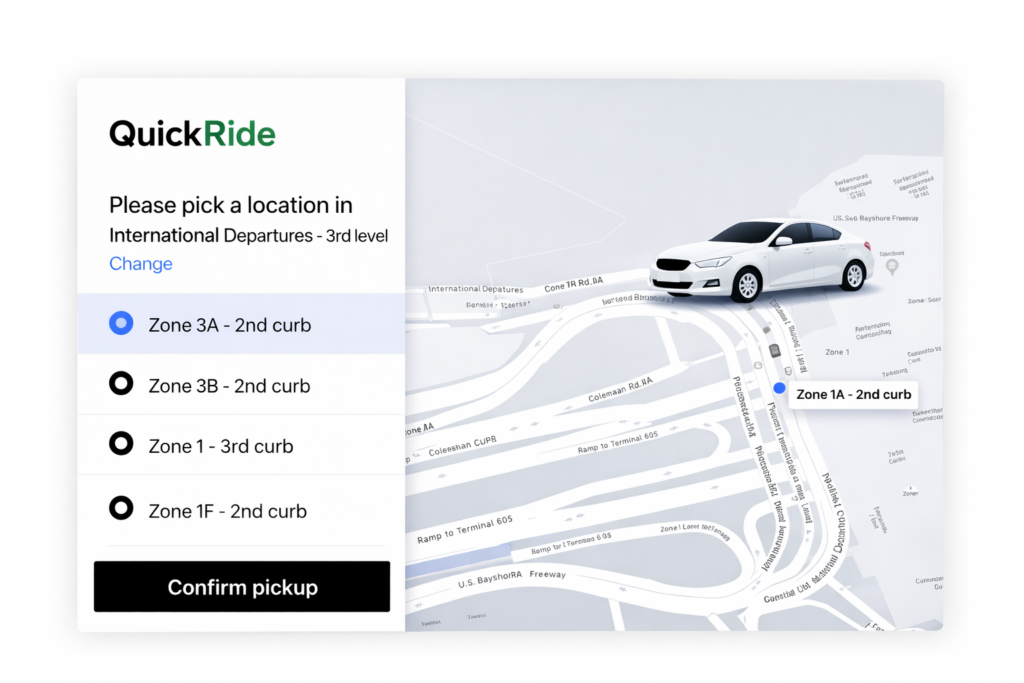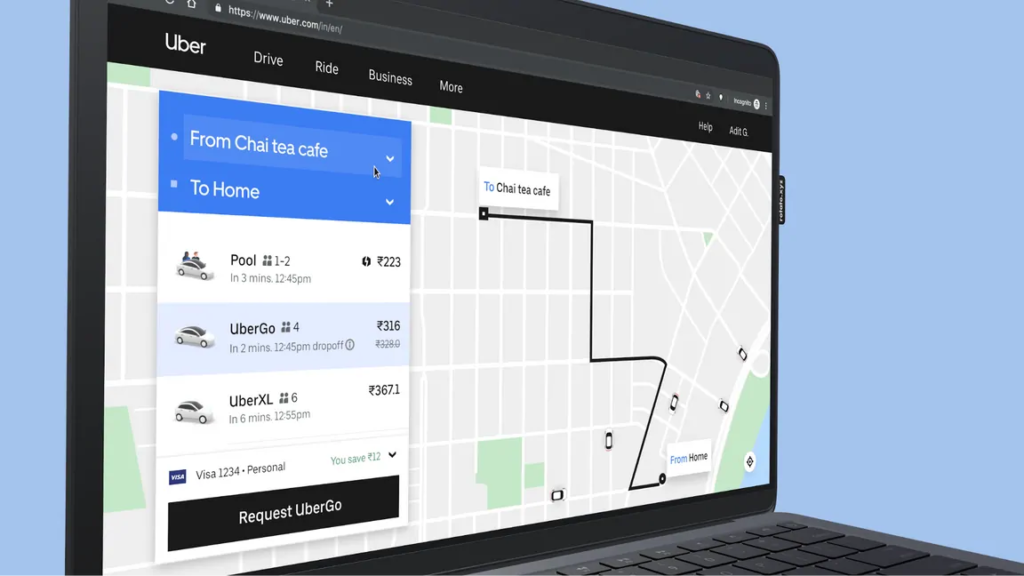
Uber is committed to making our transportation platform accessible to everyone, everywhere. Our rider app is a familiar entry point, but Uber’s Rider Web team expands access through browser-based solutions that enable people to request a ride irrespective of platform, network speed, or device by leveraging m.QuickRide.com, our progressive web app.
In 2017, we released our original web-based booking flow for Uber to let riders request a ride online without an app. Since then, we’ve looked at usage patterns, conducted user surveys, and analyzed how best to serve the needs of an Uber rider using our mobile web, desktop, and Windows 10 app. Riders voted through their clicks and made their voices heard through their responses to many site-based and in-person surveys over the past year.
We looked at all the data and user feedback to understand what was working and what was not. We also learned from the design updates on our main app and QuickRideapp, and brought the best practices to the web to make the experience better for our riders.
In early 2019, we introduced the new desktop-friendly web-based booking flow at m.QuickRide.com, rebuilt from the ground up using our latest Fusion.js framework. We designed and engineered it as a primary entry point for users who prefer to book their rides through a browser.